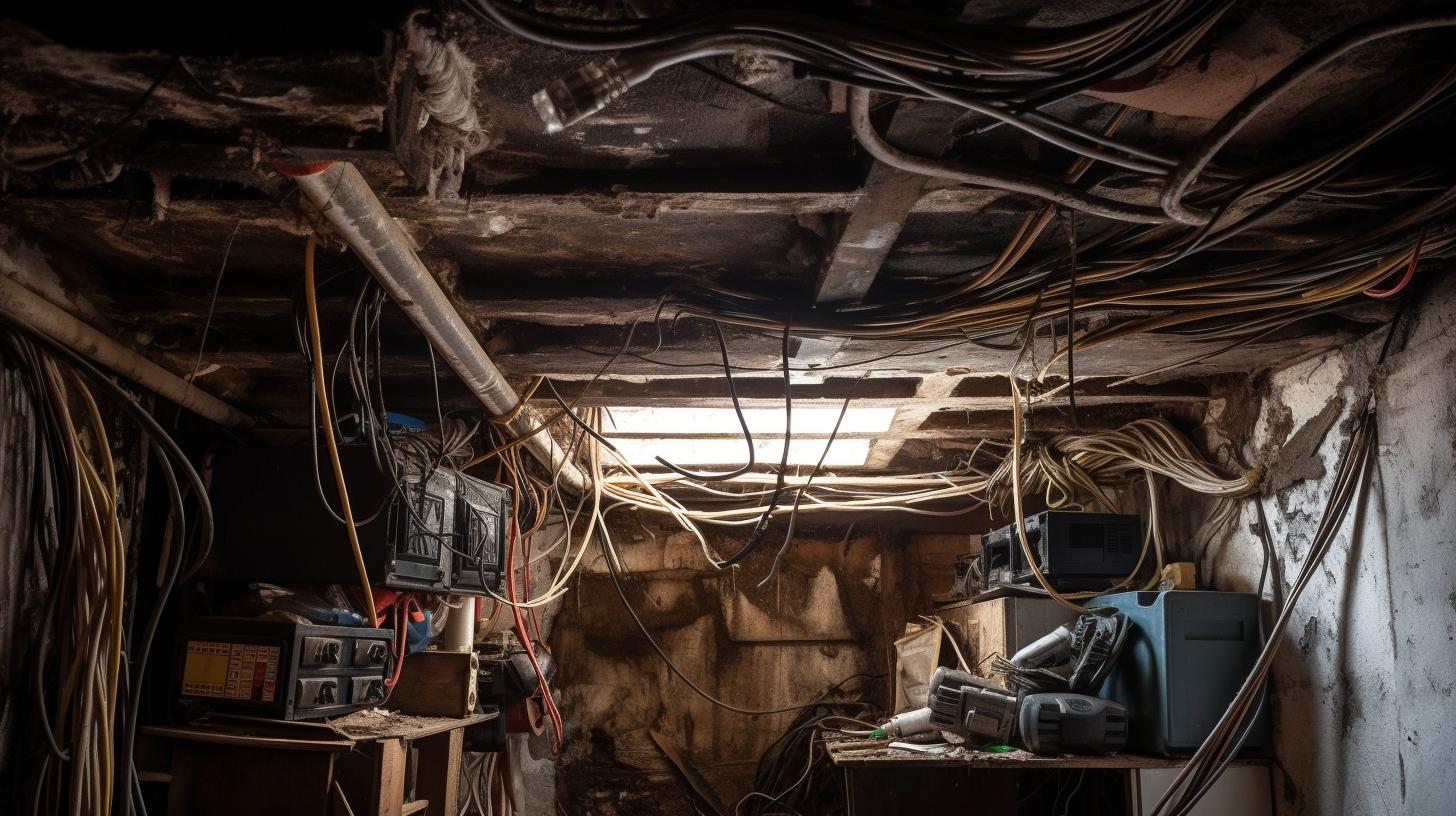
The oven stops heating just as dinner is coming together. A hallway light flickers whenever someone switches on the kettle. Outside, the path from the driveway disappears into darkness long before the household gets home. Electrical problems have a way of interrupting ordinary life, sometimes with a small inconvenience and sometimes with a warning that deserves immediate attention.
For Papakura homeowners, landlords, and small business owners, the challenge is knowing what needs urgent help, what can be planned, and which improvements will make a property safer and easier to use.
Electricians of Papakura is a local company to consider for that conversation. Its services cover everyday electrical repairs, lighting, appliance installation, switchboards, rewiring, and urgent electrical assistance. If an issue can’t wait, their 24-7 electrician Papakura emergency response team can help restore safety and peace of mind. From a tired ceiling fan to a kitchen that has outgrown its power points, the most useful electrical work begins with understanding how people actually use a space.
When You Need a 24 7 electrician in Papakura
An electrical fault does not become less concerning because it happens after dinner or during a long weekend. However, not every loss of power is an emergency, and knowing the difference can help you respond calmly.
A single failed lamp is usually a different matter from a switchboard that smells burnt. Likewise, a neighbourhood outage calls for a different response from sparks coming from a socket inside your home.
Warning signs that need prompt attention
Contact an emergency electrician for advice when you notice signs such as:
- A burning smell near wiring, outlets, or the switchboard.
- Scorch marks, unusual heat, or crackling from electrical fittings.
- Repeated circuit trips, particularly when the cause is unclear.
- An electric shock or tingling sensation from an appliance or fitting.
- Water entering an area containing electrical equipment.
- Exposed or damaged wiring that could be touched.
If there is smoke, fire, or immediate danger, move people away and call emergency services. Do not touch a person or object that may still be in contact with electricity. Isolate power only if you can do so safely without approaching damaged or wet equipment.
An after hours electrician can help assess an urgent situation, make an installation safe, and explain what further repairs may be required. When contacting Electricians of Papakura, describe the symptoms clearly and confirm current availability, attendance times, and call-out charges.
What to tell the electrician
Useful details include when the problem began, whether it affects one room or the whole property, and whether an appliance was switched on at the time. Mention any burning smells, water exposure, or recent building work.
You do not need to diagnose the fault. Clear observations are more helpful than removing covers or repeatedly resetting a circuit that keeps tripping.
Safer Homes Begin With Better Electrical Planning
Many electrical improvements are not emergency jobs at all. They are thoughtful changes that make everyday routines less awkward and reduce reliance on temporary arrangements.
A residential electrician can look beyond the immediate request. Adding a socket, for instance, may also prompt a useful discussion about circuit capacity, protection, and the condition of nearby wiring.
Electrical safety checks with a purpose
Electrical safety checks can be particularly valuable when buying an older property, planning renovations, or investigating recurring faults. Rather than assuming that everything behind a wall is sound, an electrician can assess the accessible installation and recommend further testing where appropriate.
Depending on the property and agreed scope, that assessment may consider wiring condition, switchboard protection, outlets, switches, earthing, and signs of previous alterations.
Ask what the inspection includes and whether you will receive written findings. A clear distinction between urgent defects, recommended improvements, and optional upgrades makes budgeting much easier.
New wiring for changing spaces
A spare room becomes a home office. A garage gains a workbench. A retail storeroom becomes a packing area. Each change can introduce electrical demands that were not part of the original layout.
New wiring should be planned around the intended use of the space, not simply the nearest convenient connection. Tell your electrician about computers, heaters, tools, refrigeration, and other equipment you expect to use.
Professional local electricians can help determine whether existing circuits are suitable or whether additional circuits and protection are needed.
Giving Older Wiring a Sensible Fresh Start
Older homes can have generous rooms and distinctive character, but their electrical installations may have been altered several times over the years. A modern-looking switch does not necessarily reveal the condition of the cable behind it.
House rewiring is therefore a matter for assessment, not guesswork.
When rewiring may be worth discussing
Reasons to investigate include deteriorated cable insulation, damaged wiring, recurring faults, or renovation work that exposes an ageing installation. Previous alterations of uncertain quality can also warrant attention.
Not every older property needs a complete rewire. Some require targeted repairs, while others benefit from a more comprehensive replacement. The right scope depends on inspection and testing.
Before work starts, discuss:
- Which areas and circuits are included.
- How access to walls, ceilings, and floors will be managed.
- Expected power interruptions and household disruption.
- Who is responsible for making good any affected surfaces.
- What testing and electrical documentation will be supplied.
Switchboards that suit the property
Residential switchboard installation may form part of a wider upgrade, particularly where existing equipment is outdated, damaged, or unsuitable for planned work.
A switchboard is not simply a row of switches. It houses protective equipment that needs to suit the installation. An electrician can explain circuit breakers, residual current protection, and any recommended changes in plain language.
The goal is an appropriately designed installation, rather than replacing equipment for appearance alone.
Kitchens That Work as Hard as You Do
Few rooms reveal poor electrical planning faster than a kitchen. Benchtop appliances multiply, cooking equipment changes, and the available sockets suddenly seem to be in all the wrong places.
A kitchen electrician can help coordinate these needs before cabinetry and splashbacks make changes more difficult.
Oven installation without the guesswork
Oven installation involves more than finding a space that fits. The appliance’s electrical requirements must be checked against the existing supply, connection arrangement, and circuit protection.
Before buying, keep the manufacturer’s specifications handy and discuss them with your electrician. This is especially useful when replacing an older oven with a larger model or changing the kitchen layout.
Hardwired connections require appropriately licensed electrical work. Do not assume a new appliance can use the old connection simply because both ovens occupy the same opening.
Adding electrical power points where they matter
Adding electrical power points can reduce the everyday frustration of trailing leads and constantly swapping plugs.
Think about where you prepare food, charge devices, vacuum, or work from home. In kitchens, outlet placement must also account for sinks, cooking areas, and applicable installation requirements.
For small businesses, the same planning applies to reception desks, workstations, and customer-facing equipment. Extra sockets do not automatically provide extra circuit capacity, so explain what will be plugged into them.
Lighting That Makes a Property Easier to Use
Good lighting is often noticed indirectly. The front step feels easier to navigate, food preparation is more comfortable, and a dark corner finally becomes useful.
Electricians of Papakura’s interior and exterior lighting services offer a starting point for improvements that combine practicality with atmosphere.
Interior lighting with everyday purpose
An interior lighting electrician can help balance general illumination with task lighting and softer accent lighting.
A kitchen may need focused light over preparation surfaces, while a living room benefits from several lighting options rather than one bright central fitting. Discuss dimmer compatibility when choosing LED products, since not all lamps and controls work well together.
Exterior and security lighting
An exterior lighting electrician can assess entrances, paths, decks, and driveways. A security lights electrician can also help position motion-activated fittings so they illuminate useful areas without shining unnecessarily into neighbouring windows.
Consider weather exposure, sensor coverage, glare, and maintenance access. A carefully aimed light is usually more useful than an excessively bright fitting in the wrong place.
Small Fixtures With a Big Daily Impact
Some electrical jobs are modest in scale but make a noticeable difference to comfort and safety.
Ceiling fan installation and repair
Ceiling fan installation can improve air movement in bedrooms, living areas, and suitable covered outdoor spaces. Correct mounting, blade clearance, controls, and electrical connection all matter.
An existing fan that wobbles, makes unusual noises, or runs inconsistently may need assessment. Ceiling fan repair is not always the most economical option, particularly where parts are unavailable, but an electrician can help you weigh repair against replacement.
Stop using a fan if it appears loose or unsafe.
Home smoke alarm planning
A home smoke alarm needs more than an occasional glance upwards. Placement, alarm type, interconnection, power supply, and replacement dates all influence its usefulness.
A smoke alarm electrician can advise on suitable arrangements, including hardwired options where appropriate. Rental owners should also check the current New Zealand requirements that apply to their property.
Test alarms according to the manufacturer’s instructions and replace them at the specified end of service life. Never disable an alarm simply because nuisance activation has become frustrating; investigate the cause and seek advice.
Frequently Asked Questions
Should I keep resetting a circuit breaker?
No. If a circuit trips repeatedly, leave it off and seek advice. Repeatedly resetting it does not resolve the underlying problem and may re-energise faulty equipment.
Can electrical repairs be combined with planned upgrades?
Often, yes. Mention loose fittings, failed lights, inconvenient sockets, and other concerns when booking. Combining suitable tasks may make access and scheduling more efficient, although urgent defects should not wait for a larger renovation.
What should I ask before booking a local electrician?
Ask about relevant licensing, the proposed scope, pricing arrangements, expected timing, and documentation. For urgent work, confirm after-hours charges and whether the initial visit is intended to make the installation safe or complete the repair.
Where can I find company information?
Electricians of Papakura uses the website address electricianspapakura.nz. When making an enquiry, provide your location, the type of property, and a brief description of the work so the company can discuss the next steps.
Make Your Next Electrical Job a Thoughtful One
A safer, more comfortable property rarely comes from one dramatic upgrade. More often, it comes from dealing with warning signs promptly and making sensible improvements as everyday needs change.
For Papakura residents and small business owners, Electricians of Papakura is a local option for discussing repairs, installations, lighting, and wider electrical improvements. Start with the problem you want solved, explain how the space is used, and ask for a clear scope before work begins.
Whether the priority is a dependable oven connection, better outdoor lighting, or an assessment of ageing wiring, careful planning helps turn an electrical job into a lasting improvement.