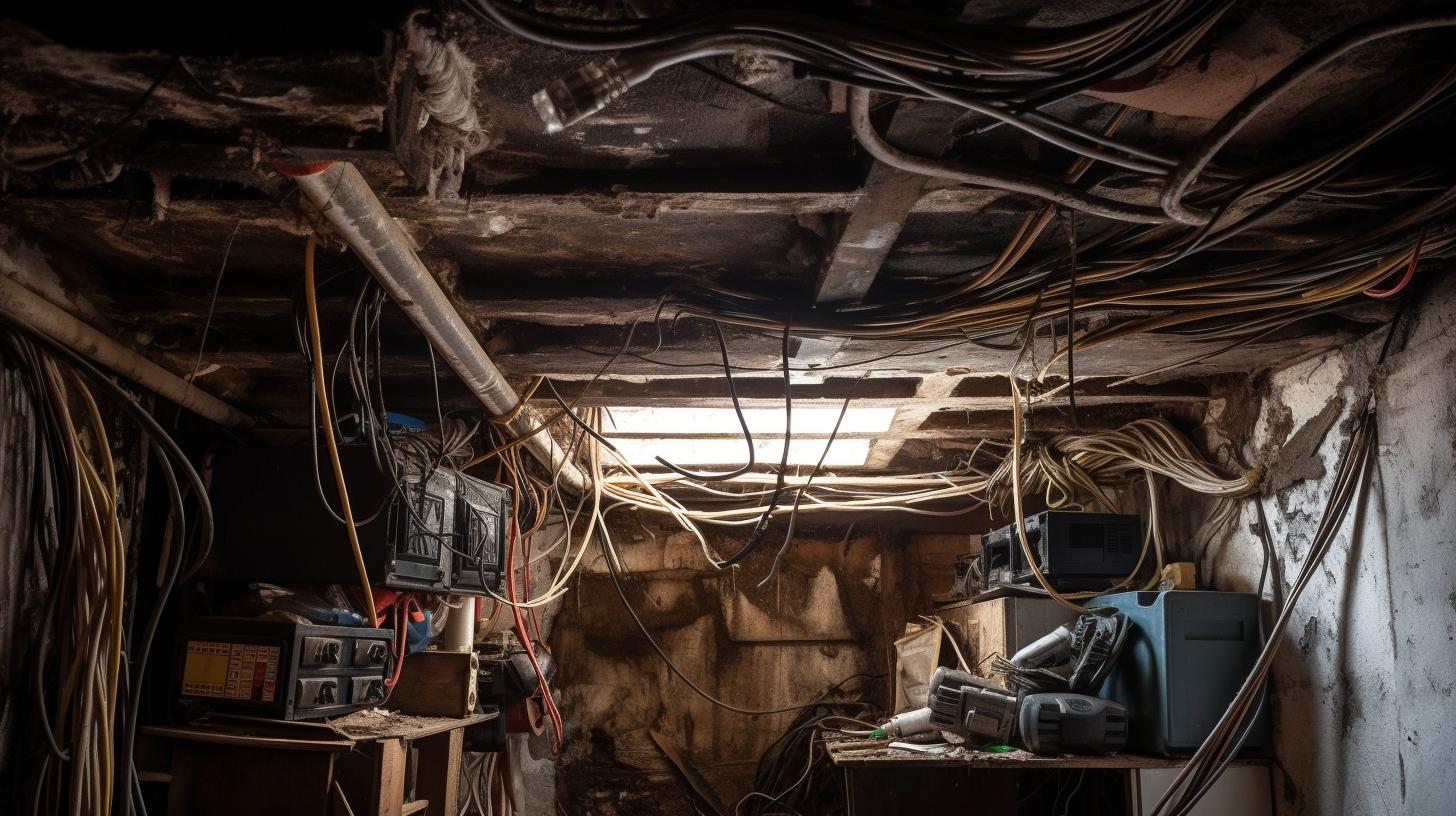
The first sign of an electrical problem is not always dramatic. Sometimes it is an oven that stops heating halfway through dinner, a hallway light that flickers without warning, or a power point that feels unusually warm. Other times, the whole house goes dark just as everyone settles in for the evening.
For Auckland households and small business owners, electricity sits behind almost every comfortable, productive part of the day. It keeps food cold, lights entrances, powers computers and makes busy kitchens workable. Yet the wiring, connections and protective devices doing that work are mostly hidden from view.
That makes a dependable local electrician useful for more than emergencies. The right professional can help identify risks, improve everyday convenience and plan upgrades before an ageing installation starts dictating how a property can be used.
Papakura Electricians is a local option for Auckland readers considering electrical repairs, lighting improvements, appliance installation or more substantial residential work. Whether the immediate concern is a faulty circuit or a renovation taking shape on the kitchen table, it helps to understand what the job may involve—and when it should move to the top of the list. For urgent issues, a 24 7 electrician service for reliable after-hours help can respond when you need it most.
When a 24 7 electrician Becomes Essential
Electrical problems do not respect working hours. A fault may appear late at night, over a holiday weekend or just before a small business opens its doors. However, not every inconvenience carries the same level of urgency.
A single failed light bulb is very different from a burning smell near a switchboard. Knowing that distinction helps you respond calmly without underestimating a genuine hazard.
Warning signs that deserve immediate attention
Seek urgent professional advice if you notice:
- Smoke, sparks or a burning smell coming from wiring, an appliance connection or the switchboard.
- A shock or tingling sensation when touching an appliance or metal fitting.
- A power point, plug or switch that is hot, scorched or discoloured.
- Repeated circuit tripping, particularly when accompanied by noise, heat or an unusual smell.
- Water entering electrical fittings or reaching equipment that may still be live.
- Exposed or damaged wiring within reach of people or animals.
If there is fire, immediate danger or a serious injury, move to safety and call 111. Do not touch someone who may still be in contact with live electricity.
Where it is safe to do so, stop using the affected equipment. Do not remove switchboard covers, handle wet electrical fittings or repeatedly reset a protective device that keeps tripping.
Making a useful after-hours call
When contacting an after hours electrician, explain what happened, when it started and which parts of the property are affected. Mention any heat, smoke, water or electric shock straight away.
Specific details are more helpful than a message marked only “emer” or “power problem”. For example, “the kitchen circuit trips whenever the oven is switched on” gives an emergency electrician a clearer starting point.
If you are searching for a 24 hr emergency electrician, confirm current availability, the likely call-out charge and what information the contractor needs before attending. Do not assume an advertised emergency service means an immediate arrival is possible in every Auckland suburb.
Electrical Safety Checks That Reveal Hidden Problems
A home can look beautifully maintained while concealing tired electrical components. Fresh paint does not reveal a loose connection, and a renovated kitchen does not necessarily mean the wiring behind it has been upgraded.
Electrical safety checks provide an opportunity to assess accessible parts of the installation and discuss concerns with a professional. The scope should be agreed in advance, particularly when buying a property, preparing for renovations or investigating recurring faults.
When an inspection makes sense
Consider arranging an assessment if:
- You have moved into an older property with an unclear electrical history.
- Several circuits trip regularly.
- You rely heavily on extension leads and multi-boxes.
- Previous owners appear to have altered fittings or wiring.
- You are planning new appliances, additional rooms or a home office.
- The property has experienced a leak, flood or other damage affecting electrical areas.
Ask what the inspection includes and how findings will be recorded. A useful outcome is not simply a list of faults, but a clear explanation of what needs urgent attention, what can be planned and what may improve convenience.
For a small business operating from home, that distinction matters. An overloaded work area or unreliable supply can interrupt appointments, transactions and daily administration.
Residential Electrical Upgrades With Everyday Benefits
The best residential electrical upgrades tend to solve ordinary frustrations. A bedside socket in the right place, a well-lit staircase or enough kitchen outlets can make a noticeable difference without changing a home’s character.
Residential electricians can also help homeowners think beyond the immediate purchase. Installing one new appliance may be the right moment to review the capacity and condition of the circuit supplying it.
Switchboards that suit the property
Residential switchboard installation is not simply a matter of replacing an old-looking box. An electrician needs to consider the incoming supply, existing circuits, protective devices and the demands placed on the installation.
Modern protective equipment can improve safety, but the appropriate arrangement depends on the property and applicable requirements. A new switchboard also does not automatically resolve defective wiring elsewhere in the house.
Ask electrical contractors to explain the proposed work in plain language, including any associated testing, circuit alterations and documentation.
Power points where life actually happens
Adding electrical power points can reduce dependence on extension leads and awkward multi-box arrangements. Good locations often emerge by watching how a household uses a room.
Think about:
- Charging phones without trailing cables across walkways.
- Running office equipment without stacking adapters.
- Plugging in a vacuum cleaner near stairs.
- Using countertop appliances away from sinks and cooktops.
- Providing suitable outdoor supplies for intended equipment.
Placement is only part of the job. The electrician must also determine whether the existing circuit is suitable for the expected load and environment.
House Rewiring Without the Guesswork
House rewiring can feel daunting because much of the work concerns areas homeowners rarely see. However, it is better approached as a planned project than as a vague fear attached to an older home.
Age alone does not determine whether a property needs complete rewiring. Cable condition, past alterations, test results and the demands of the household all matter.
Planning around the way you live
Before requesting a quote, list current problems and future plans. These might include a kitchen renovation, additional heating, a converted garage or a dedicated workspace.
Then discuss practical details:
- Which areas need investigation or replacement.
- Whether work can be staged safely.
- How long power may be unavailable.
- What access is needed through ceilings, walls or underfloor spaces.
- Who will handle any necessary decorating or building repairs.
Papakura Electricians can be approached about house rewiring and related electrical installation needs. As with any substantial project, request a clear scope rather than relying on a brief verbal estimate.
Lighting That Makes a Property Easier to Enjoy
Good lighting works quietly. It makes a front path easier to navigate, allows food preparation without shadows and helps a living room feel comfortable rather than harsh.
An interior lighting electrician can help balance general illumination with task and accent lighting. An exterior lighting electrician brings a different set of considerations, including weather exposure, placement and the effect on neighbouring properties.
Better light inside
In kitchens, worktop lighting can be more useful than simply adding brighter ceiling fittings. In living areas, separately controlled lights allow the room to shift from reading space to relaxed evening retreat.
Before choosing fittings, consider glare, colour temperature, maintenance access and compatibility with dimmers. Attractive products are not always suitable for every location or existing control.
Practical security outside
A security lights electrician can advise on entrances, driveways and side passages where light would be genuinely useful.
Motion-activated fittings need thoughtful positioning. Poorly aimed sensors may react constantly to passing traffic, while excessively bright lights can disturb neighbours and make darker areas harder to see.
For a small business, exterior lighting should support safe access for staff and customers rather than merely flood the frontage with light.
Kitchens and Appliances That Work Together
Kitchen electrical work is often underestimated because the finished room hides so much of it. Behind the cabinetry, appliance requirements, circuit capacity and accessible isolation all need consideration.
A kitchen electrician should ideally be involved before the final cabinetry layout is confirmed.
Oven installation and appliance connections
Electrical appliance installation begins with checking the manufacturer’s requirements and the suitability of the existing supply. Oven installation, in particular, may involve more than exchanging one unit for another.
A replacement appliance can have different electrical requirements, even when it fits the same cabinet opening. Share model details with the electrician before installation day to reduce the risk of delays.
For cafés, studios and home-based food businesses, explain how equipment will be used. Several appliances operating together can create different demands from occasional domestic use.
Ceiling Fans and Smoke Alarms Worth Remembering
Some electrical jobs are easy to postpone because they do not stop the entire household. A noisy fan or an ageing alarm may linger on the to-do list for months. Both deserve attention.
Comfortable airflow without unnecessary disruption
Ceiling fan installation can improve comfort in bedrooms, living rooms and covered outdoor areas where suitable equipment is selected. Proper mounting, clearances and electrical connections are essential.
If an existing fan wobbles, hums unusually or stops responding, ceiling fan repair may be possible. Stop using a fan that appears loose or damaged, and let an electrician assess whether repair or replacement is appropriate.
Smoke alarms as an ongoing responsibility
A home smoke alarm needs suitable positioning, regular testing and replacement when required. Alarm type, interconnection and power arrangements should be considered alongside the property’s layout and relevant requirements.
A smoke alarm electrician can advise on electrical aspects, particularly for hardwired installations. Rental property owners should also check their specific obligations rather than assuming an existing alarm arrangement is sufficient.
Questions Auckland Property Owners Often Ask
Can I keep resetting a circuit that trips?
Repeated tripping should be investigated. A protective device may be responding to an appliance fault, damaged wiring or another unsafe condition. Repeatedly resetting it without addressing the cause is not a repair.
Do all older houses need complete rewiring?
No. A professional assessment is needed to determine the condition of the installation. Some properties need targeted repairs; others may require more extensive replacement.
What should a written quote include?
Look for the scope of work, major exclusions, anticipated access requirements, pricing details and how unexpected findings will be handled. Ask what testing and documentation are included where applicable.
How should I choose professional local electricians?
Check that the people carrying out prescribed electrical work hold the appropriate current authorisation. Ask about relevant experience, insurance, communication and familiarity with projects like yours.
Can several smaller jobs be arranged together?
Often, yes. Mention faulty switches, additional outlets, fan concerns and lighting changes when booking. Combining suitable tasks may make the visit more efficient, although urgent hazards should never wait for a longer wish list.
Make the Next Electrical Decision a Safer One
A well-functioning property does not depend on dramatic renovations. Often, progress starts with investigating an unreliable circuit, improving a dark entrance or installing enough outlets for the way a room is actually used.
For Auckland homeowners and small businesses, Papakura Electricians is an option to consider for electrical repairs, safety checks, lighting, appliance connections and planned upgrades. Discuss the scope, timing and costs before work begins, and make urgent warning signs clear when requesting assistance.
The aim is straightforward: electrical systems that support daily life without becoming a constant source of uncertainty. Start with the problem you have noticed, ask informed questions and leave the electrical work to appropriately qualified professionals.