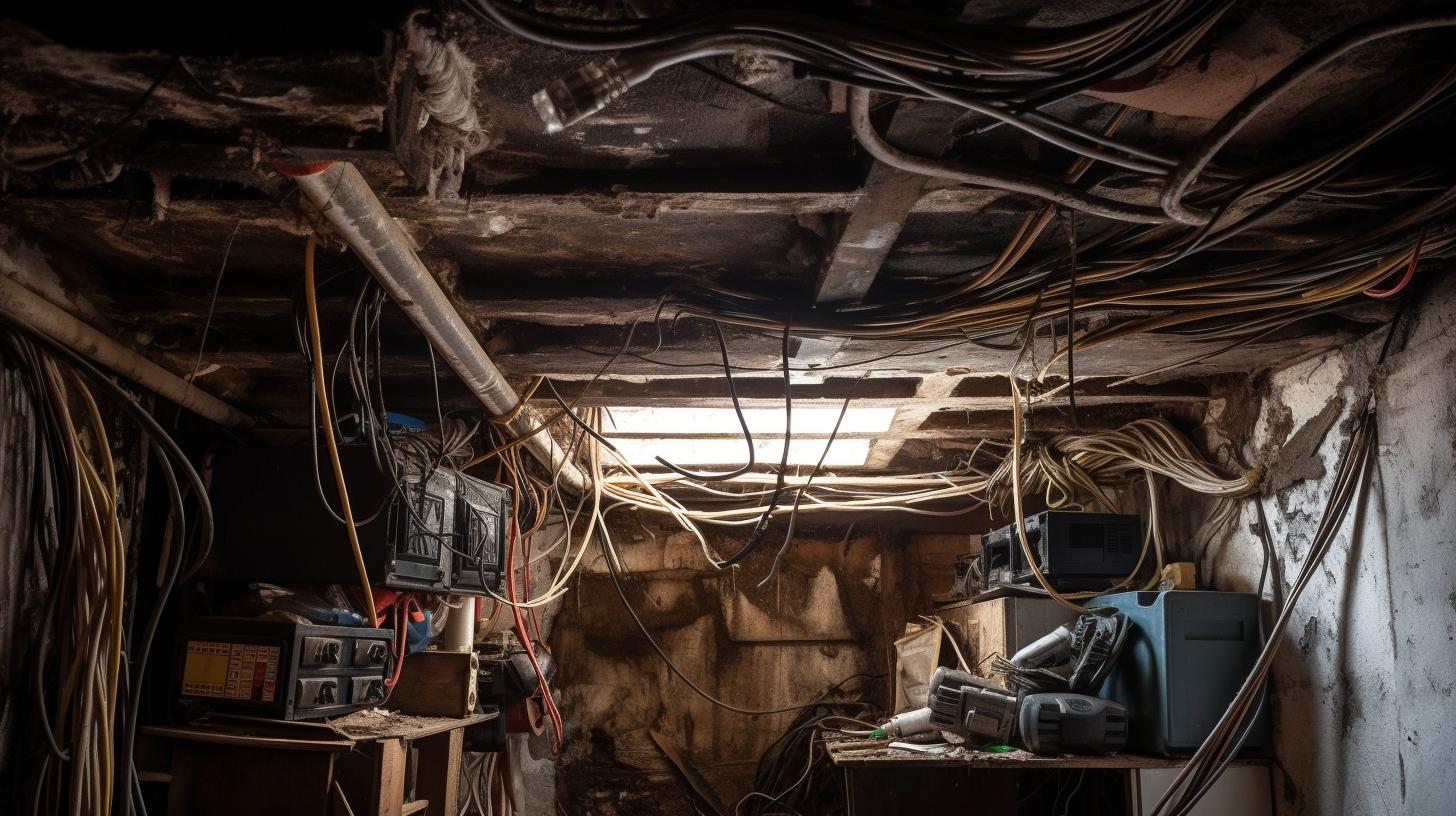
The first sign that a home’s electrical setup needs attention is not always dramatic. It might be the powerboard tucked behind the toaster, the ceiling fan that has started clicking at bedtime, or the back step that disappears into darkness each evening. These small inconveniences have a way of becoming part of the furniture—until a renovation, a new appliance or an unexpected outage brings them into focus.
For households in Lyndhurst, electrical planning is about more than keeping the lights on. It supports comfortable bedrooms, practical kitchens, safer entrances and home offices that work without a tangle of extension leads. The same thinking matters to small business owners, especially those running a studio, consulting room or administrative workspace from home.
Local Narre Warren Electrician is a local service option to consider for electrical maintenance, installations and repairs. Its website provides a starting point for enquiries about services ranging from lighting and power points to switchboards, rewiring and urgent faults. If you’re looking for an experienced electrician in Lyndhurst for home repairs and installations, understanding what to ask for—and which warning signs deserve immediate attention—can make that first conversation much more useful.
Choosing an electrician in Lyndhurst for Everyday Living
A good electrical job begins with a clear picture of how the space is used. A household with young children may prioritise smoke alarms, outdoor visibility and accessible switches. Someone working from home may need additional power points and better task lighting. A growing family might be discovering that the kitchen circuit no longer comfortably supports its collection of appliances.
Rather than treating every issue as a separate job, it is worth considering the home as a connected system. A new oven, for example, may raise questions about circuit capacity. A kitchen renovation may create an opportunity to improve lighting, reposition outlets and review nearby smoke alarm placement.
Start with the things you notice daily
Before contacting a residential electrician, take a short walk through the property and note what is inconvenient, unreliable or visibly damaged.
Useful observations include:
- Where extension leads and powerboards are regularly used.
- Which lights flicker or switches feel unusually warm.
- Whether any circuit repeatedly trips.
- Where outdoor paths and entrances lack visibility.
- Which fans, appliances or outlets are not working properly.
- Whether smoke alarm maintenance or replacement is overdue.
This is an observation exercise, not an invitation to investigate wiring. Do not remove covers, open a switchboard or test a suspect fitting yourself.
Electrical Safety Checks That Look Beyond Appearances
Fresh paint and new flooring can transform a room, but they say little about the condition of the wiring behind the walls. Electrical safety checks can help identify concerns that are easy to overlook during everyday use.
Depending on the property and the agreed scope, an electrician may assess accessible wiring, power points, switches, protective devices and the switchboard. They can also discuss whether particular installations suit current household demands.
Know when to arrange an assessment
An inspection is particularly worth discussing when buying an older home, preparing for substantial renovations or dealing with unexplained electrical problems. It can also be sensible after water ingress or damage, once the immediate hazard has been managed.
Frequent tripping should not simply become an accepted household routine. Nor should a damaged socket remain hidden behind a cabinet. Electrical repairs are best guided by diagnosis rather than repeated resets or temporary workarounds.
Ask the electrician what the assessment includes and whether you will receive written findings. A clear explanation of urgent repairs, recommended improvements and optional upgrades helps you prioritise spending.
New Wiring and House Rewiring Without Guesswork
New wiring is often part of an extension, garage conversion or kitchen redesign. House rewiring, by contrast, involves replacing existing wiring where its condition, configuration or suitability makes replacement necessary.
The two can overlap, but neither should be approached as a standard package that every home needs.
Let the property determine the scope
An older house does not automatically require complete rewiring. Equally, a recently updated room does not guarantee that its underlying electrical installation is sound. A qualified electrician should assess the existing system before recommending targeted repairs, partial rewiring or a broader replacement.
For homeowners planning substantial work, useful questions include:
- Which parts of the installation need replacement, and why?
- Will walls or ceilings need to be opened?
- How long will power be unavailable?
- Does the switchboard need upgrading?
- What testing and electrical safety documentation will be provided?
Planning outlet positions, lighting and future appliance needs before work begins can reduce the frustration of discovering a missing connection after the plastering is finished.
Switchboards Built Around Modern Household Demands
The switchboard is not the most glamorous part of a renovation, but it deserves attention before the decorative decisions take over. It distributes electricity around the property and houses protective equipment appropriate to the installation.
Residential switchboard installation or replacement may be relevant when an existing board is damaged, outdated, overcrowded or unsuitable for proposed electrical additions.
Understand protection rather than assuming it
Circuit breakers and safety switches have different functions. A safety switch, also called a residual current device, is designed to disconnect power when it detects certain leakage currents. It does not remove every electrical risk.
Ask a licensed electrician to explain the protection currently fitted, any identified shortcomings and what is required for the proposed work. Switchboard upgrades and additional circuits should be based on assessment, not assumptions about what a modern-looking panel contains.
A Kitchen That Works as Hard as You Do
Few rooms place as many demands on electricity as the kitchen. The oven, dishwasher, refrigerator, kettle and smaller appliances all need consideration, while lighting must support everything from chopping vegetables to sharing a late dinner.
A kitchen electrician can help coordinate these needs before cabinetry and splashbacks make changes more difficult.
Oven installation needs an early conversation
Do not assume a replacement oven can use the existing connection. Its electrical requirements may differ from those of the old appliance, even if the dimensions appear similar.
Before purchasing, confirm the model’s specifications with the installer. Depending on the appliance and existing setup, oven installation may require a suitable dedicated circuit, an appropriate connection arrangement or other electrical changes.
Electrical appliance installation should also account for manufacturer instructions and safe access for future maintenance.
More convenient power points need thoughtful positioning
Adding electrical power points locally is often one of the most practical household improvements. In kitchens, their location should support everyday routines without placing leads near heat, water or moving appliance parts.
The same principle applies to home offices and small business workspaces. Tell the electrician which equipment will operate simultaneously, rather than simply requesting a row of extra sockets. More outlets do not automatically mean more circuit capacity.
Lighting That Makes Rooms and Entrances More Useful
Lighting is most successful when it responds to a task rather than merely filling a ceiling plan.
An interior lighting electrician can help distinguish between general illumination, focused task lighting and softer ambient light. A kitchen bench needs a different approach from a reading corner or hallway used during the night.
Give outdoor lighting a practical purpose
An exterior lighting electrician can assess entrances, steps, side paths and outdoor entertaining areas. Good placement can improve visibility without producing unnecessary glare.
For security lighting, discuss sensor coverage, activation times and the direction of the beam. A security lights electrician should consider neighbouring windows and passing pedestrians as well as the area you want illuminated.
For a home-based business receiving visitors, a clearly lit entrance can also make appointments easier to navigate after dark.
Ceiling Fans and Smoke Alarms Deserve Separate Planning
Ceiling fans and smoke alarms both contribute to a comfortable, safer home, but their placement should not be treated as interchangeable ceiling decoration.
Make fan installation suit the room
Ceiling fan installation requires suitable support, appropriate clearances and compatible electrical connections. Room size, ceiling height and the intended use of the space all influence the choice.
If an existing fan wobbles, makes unusual noises or stops responding correctly, arrange an assessment. Ceiling fan repair may be possible, although replacement can sometimes be the more sensible option after the fault is identified.
Avoid continuing to operate a fan that appears loose or damaged.
Keep smoke alarm placement purposeful
A home smoke alarm needs appropriate positioning, regular maintenance and replacement in line with applicable requirements and manufacturer guidance.
Cooking fumes can complicate alarm placement around a kitchen. A smoke alarm electrician can advise on suitable locations and alarm types, including whether another type of detector is appropriate in a particular area. Fans and airflow also need consideration when planning alarm positions.
Never disable an alarm to solve repeated nuisance activation. Have the cause investigated instead, and ask about the requirements relevant to your property and any renovation work.
When Electrical Trouble Cannot Wait
Some faults belong on a maintenance list. Others require immediate action.
A burning smell, smoke, sparking, an electric shock or a damaged electrical fitting can indicate a serious hazard. Keep people away and do not touch affected equipment. If there is fire, immediate danger or a medical emergency, call 000.
Put safety before troubleshooting
Switch off power only if you can do so safely, without approaching smoke, water, exposed wiring or damaged equipment. Do not repeatedly reset a circuit that trips, and do not use water on an electrical fire.
When contacting an emergency electrician or asking about an after hours electrician, describe exactly what happened. Mention any smoke, water exposure, unusual sounds or loss of supply.
Emergency professional local electricians need clear information to assess urgency. Confirm current availability, call-out charges and what the initial attendance covers. Avoid assuming that every service enquiry can receive an immediate visit.
Questions Homeowners Often Ask
Should several small electrical jobs be booked together?
Often, yes. A list covering faulty switches, lighting changes, additional outlets and fan concerns can help the electrician plan the visit. Ask whether inspection or diagnosis is needed before a firm installation quote can be given.
Can a new power point solve an overloaded circuit?
Not by itself. An additional outlet changes where equipment can be connected, but it does not automatically increase the circuit’s capacity. The electrician needs to consider the expected load and existing wiring.
What should I ask before engaging an electrician?
Ask about licensing, insurance, the scope of work, pricing arrangements and relevant electrical safety certification. For larger projects, clarify access requirements, likely interruptions and who is responsible for repairing any openings made in walls or ceilings.
Where does Local Narre Warren Electrician fit into the planning?
The Local Narre Warren Electrician website is a useful starting point for discussing the listed services and checking suitability for a Lyndhurst property. Explain the job, confirm service coverage and availability, and request a scope appropriate to your home or small business premises.
Make Your Next Electrical Upgrade Count
The best electrical improvements are often the ones that quietly remove friction from daily life: a well-lit path, a reliable fan, an oven installed correctly or enough conveniently placed outlets to retire an awkward extension lead.
Start with the problems you can describe, separate urgent warning signs from planned improvements, and seek qualified advice before committing to major changes. Whether you are arranging repairs or planning a renovation, a clear conversation with Local Narre Warren Electrician can help turn a scattered list of concerns into a more practical plan for your property.