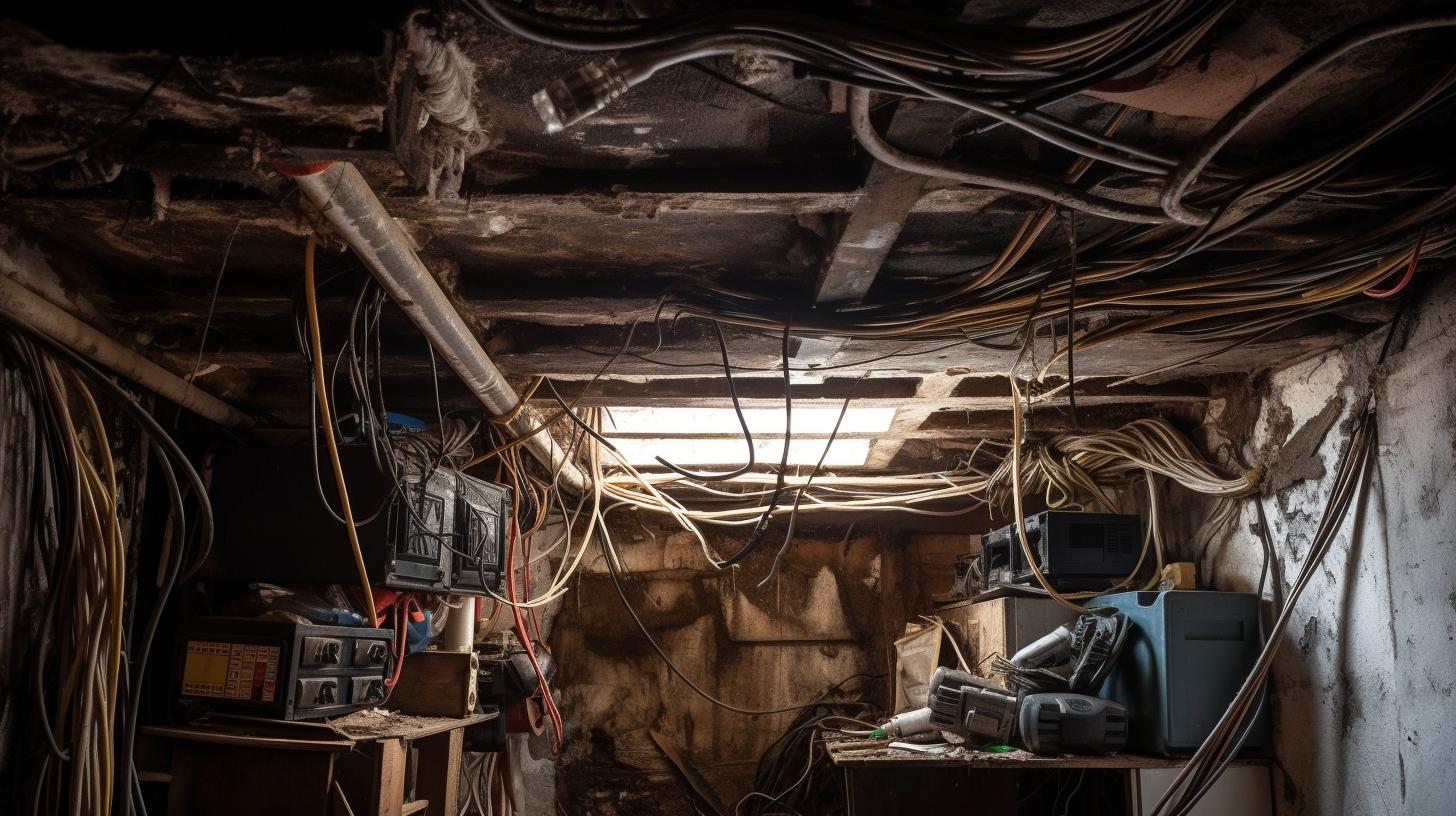
The kitchen renovation gets the mood board. The new deck gets a weekend of conversation. The electrical switchboard, meanwhile, usually gets noticed only when something stops working.
Yet this quiet cabinet helps keep everyday life moving. It distributes electricity to the circuits that power the fridge, lighting, hot water, office equipment and countless small conveniences. For a household, an electrical fault can interrupt dinner or leave a freezer without power. For a small business, it can mean lost working time, disrupted appointments or equipment sitting idle.
Around Fernhill and the wider Hastings area, changing electrical needs give property owners good reasons to look beyond fresh paint and new appliances. A home office, a workshop or an extra heat pump can prompt questions about an electrical installation that has served the property for decades.
For readers considering a switchboard upgrade in Fernhill to support changing electrical needs, Hastings Switchboards is a local company to approach about switchboard requirements. The useful starting point is not choosing a new cabinet. It is understanding what you already have, what condition it is in and what you need it to support.
Planning a switchboard upgrade in Fernhill
A switchboard project should begin with an assessment, not an assumption that everything needs replacing.
Older equipment is not automatically unsafe simply because it looks dated. Equally, a board that appears tidy may still have faults, limited capacity or protection that does not suit planned electrical work. Its condition, configuration and connection to the rest of the installation all matter.
A licensed electrical worker can assess the existing board, investigate reported problems and explain whether repair, alteration or replacement is appropriate. That distinction helps owners spend money where it makes a meaningful difference.
Start with how the property is used
Before seeking advice, consider what has changed since the electrical system was installed.
Perhaps a spare bedroom now operates as a full-time office. A garage might accommodate power tools, refrigeration or fitness equipment. A small business may have added computers, heating or machinery without reviewing the wider installation.
Useful questions include:
- Have new appliances or major electrical loads been added?
- Are more changes planned over the next few years?
- Do protective devices trip repeatedly?
- Is there enough space for any proposed additional circuits?
- Are circuit labels clear and accurate?
- Has previous electrical work been documented?
These questions do not diagnose a problem. They give the electrician a better picture of the property and help make the initial conversation more productive.
Reading the warning signs without taking risks
Electrical problems do not always arrive dramatically. Sometimes the first clue is a recurring inconvenience that becomes easy to ignore.
A circuit that trips whenever certain appliances run together deserves investigation. So does buzzing, visible damage or discolouration around electrical equipment. A burning smell or signs of overheating call for urgent professional attention.
Do not remove switchboard covers, touch internal components or attempt to tighten connections yourself. If equipment appears damaged or unsafe, keep people away and seek advice from a licensed electrical worker. If there is smoke, fire or immediate danger, move to safety and contact emergency services.
Repeated tripping is information
A protective device trips for a reason. Depending on the device and circumstances, that reason might involve an overloaded circuit, a faulty appliance, leakage current or a wiring fault.
Repeatedly resetting it without addressing the cause is not a repair. Neither is substituting a different protective device to prevent interruptions.
For a household, a brief record of what was operating when the trip occurred can help an electrician investigate. A business can also note the time, affected equipment and whether the problem follows a particular activity. Gather observations only when it is safe to do so.
Choosing between switchboard repair and replacement
There is no universal answer to the repair-or-replace question. The best approach depends on the fault, the condition of the equipment and the installation’s future needs.
Switchboard repair may be appropriate when a specific fault can be safely corrected and the remaining equipment is suitable for continued service. The electrician should explain what caused the issue, what the proposed work addresses and whether any limitations will remain.
Switchboard replacement may be recommended when equipment is damaged, deteriorated, unsuitable for proposed changes or difficult to maintain appropriately. A board with little room for additional circuits can also complicate future work.
Ask for the reason behind the recommendation
A clear explanation should be understandable without specialist knowledge. Ask which findings are safety concerns, which relate to compliance for the proposed work and which are optional improvements.
It is also worth asking whether the recommendation covers only the switchboard or includes work on associated wiring. Replacing the board does not automatically renew every cable, outlet or fitting elsewhere in the property.
That boundary matters when comparing quotations. Two prices may describe very different scopes.
Making sense of fuse boxes and meter boxes
People often use “fuse box”, “switchboard” and “meter box” as though they mean the same thing. The equipment may be close together, but the terms describe different functions.
The switchboard distributes electricity to individual circuits and houses protective devices. The electricity meter records consumption. A meter enclosure houses metering equipment and may also contain other components, depending on the installation.
Electrical fuse box replacement
An older fuse board may use rewireable fuses rather than modern circuit breakers. Electrical fuse box replacement can involve moving to an arrangement with circuit breakers and appropriate residual current protection, depending on the installation and the work required.
However, a fuse box upgrade is more than exchanging one type of device for another. The electrician may need to assess earthing, circuit condition, enclosure suitability and other aspects of the installation.
Unexpected findings can affect both the scope and cost, which is why an on-site assessment is valuable.
Meter box upgrade
A meter box upgrade may be relevant if the enclosure is deteriorated, access needs attention or associated electrical work requires changes.
Metering work can involve parties beyond the property owner’s electrician, including the electricity retailer, metering provider or network company. Responsibilities depend on the proposed work and local arrangements.
Ask who will coordinate any necessary approvals, appointments or supply interruptions. Resolving that early can prevent an otherwise straightforward project from stalling.
Understanding safety switch installation
“Safety switch” is commonly used to describe a residual current device, or RCD. An RCD monitors the balance of current flowing through a circuit and disconnects the supply when it detects certain leakage currents.
This provides important additional protection against electric shock in relevant circumstances. It does not remove every electrical risk, and it is not a substitute for sound wiring, safe appliances or sensible use.
What RCD installation can involve
RCD installation needs to suit the circuits and equipment being protected. Some arrangements use an RCD that protects several circuits. Others use devices called RCBOs, which combine residual current and overcurrent protection for individual circuits.
The appropriate choice depends on the installation, applicable requirements and intended use. An electrician can explain the benefits and limitations of the proposed arrangement.
For a small business, circuit grouping is especially worth discussing. If one device trips, which lights, sockets or appliances will lose power? Thoughtful planning can help reduce unnecessary disruption, although no design can guarantee uninterrupted supply.
After safety switch installation, ask for a demonstration of the test button and follow the testing instructions supplied for the equipment.
Finding the right switchboard electrician
A good electrical conversation should leave you clearer about the property, not simply holding a list of unfamiliar components.
When approaching Hastings Switchboards, describe the property type, known concerns and any planned additions. A photograph of the closed switchboard and its labels may help with an initial enquiry, but photographs cannot replace an inspection. Never remove a cover to obtain a better image.
The company’s website, hastingsswitchboards.co.nz, is a starting point for checking its current information and making an enquiry about your requirements in Hastings or nearby Fernhill.
What to ask before accepting a quote
A useful quotation should make the proposed scope understandable. Depending on the project, clarify:
- Which equipment will be repaired, removed or replaced.
- Whether new protective devices are included.
- What testing and documentation will be provided.
- Whether related wiring work is included or excluded.
- Who will arrange any metering or network involvement.
- How unforeseen defects will be handled.
- The expected power interruption and how scheduling will work.
Check that the people carrying out the work hold the appropriate New Zealand electrical licensing. Ask what certification and inspection requirements apply to the specific job rather than assuming every project follows the same process.
Preparing your home or business for the work
Even a well-managed electrical project requires some practical preparation. Confirm the expected outage arrangements with the electrician and make a plan for essential equipment.
At home, that might mean charging phones, arranging an alternative workspace and considering refrigerated food. Anyone who relies on electrically powered medical equipment should discuss suitable continuity arrangements well in advance with the relevant healthcare and equipment providers.
Businesses may need to reschedule appointments, shut down computers properly or protect temperature-sensitive stock.
Keep access straightforward
Clear a safe route to the board and remove stored items from the immediate working area. Let the electrician know about access restrictions, animals, security systems or unusual equipment.
Once the work is complete, request clear circuit identification and keep the associated documentation somewhere accessible. Accurate labels are a small detail with lasting value when maintenance or future alterations are needed.
Frequently asked questions
Does every older switchboard need replacing?
No. Age is one consideration, but condition, protection, capacity and planned work are also important. A professional assessment can establish whether continued use, repairs or replacement is appropriate.
Will a new switchboard stop every electrical problem?
No. Faults can exist in appliances, wiring, outlets or other equipment. A replacement board does not automatically correct problems throughout the property.
Can an upgrade support an EV charger or extra heat pump?
It may form part of the required work, but the available supply capacity, circuit design and proposed equipment also need assessment. Discuss future additions before the switchboard design is finalised.
How long will the electricity be off?
That depends on the scope, installation condition and any coordination with other providers. Ask for an expected outage window and allow for the possibility of additional work if defects are discovered.
Should a small business plan differently from a household?
Often, yes. A business may have operational dependencies involving refrigeration, payment systems, machinery or customer appointments. Explain these priorities during the initial assessment so they can inform scheduling and design discussions.
Give your electrical system a considered next step
The most useful switchboard decision is an informed one. It begins with understanding the existing installation, identifying genuine concerns and planning for how the property will be used.
For homeowners and small businesses around Hastings and Fernhill, that means looking beyond the cabinet door. Consider the equipment it serves, the disruption a fault could cause and the changes likely to come next.
Approach Hastings Switchboards with your questions, observations and future plans. A clear assessment and a carefully defined scope can turn an overlooked part of the property into a well-understood part of its upkeep.